Key Takeaways:
-
- Energy Efficiency and Savings: Upgrading to a modern water heater can reduce energy consumption by 20%-50%, significantly lowering utility bills.
-
- Consistent Hot Water Supply: Tankless water heaters provide an endless supply of hot water, eliminating the “last one gets a cold shower” problem.
-
- Signs You Need an Upgrade: Aging units (10+ years), inconsistent water temperature, rising energy bills, rusty water, strange noises, or visible leaks indicate it’s time for a replacement.
-
- Choose the Right Model: Storage tank heaters are budget-friendly but less efficient, while tankless models offer long-term savings, endless hot water, and a compact design
The start of a new year is the perfect time to make resolutions that improve our lives. While many of us focus on personal goals like fitness and organization, why not include a resolution that enhances your daily comfort and saves you money? Upgrading your home’s water heater is a practical and impactful resolution that pays dividends all year long.
If you’ve ever had your morning shower turn icy cold or cringed at a high energy bill, it might be time to consider a change. This guide will help you understand the benefits of a modern water heater, recognize the signs that your current unit is failing, and choose the perfect upgrade for your home.
Why a Water Heater Upgrade is a Smart Resolution
Your water heater works tirelessly behind the scenes, providing the hot water essential for cooking, cleaning, and bathing. Because it’s often out of sight, it’s easy to forget about it until a problem arises. Making a proactive upgrade a New Year’s resolution can prevent a mid-winter emergency and bring significant improvements to your home.
1. Boost Your Energy Efficiency
Water heating is one of the largest energy expenses in most households, accounting for nearly 20% of a home’s energy use. Older models, especially those over a decade old, are far less efficient than their modern counterparts. A new, high-efficiency water heater can reduce your energy consumption by 20% to 50%, leading to substantial savings on your monthly utility bills.
2. Enjoy a Consistent Supply of Hot Water
Are you familiar with the “last one gets a cold shower” problem? An aging or undersized water heater often struggles to keep up with your family’s demand. Modern units, particularly tankless models, provide a continuous and reliable supply of hot water, so you never have to worry about running out again.
3. Increase Your Home’s Value
A new water heater is an attractive feature for potential homebuyers. It signals that the home has been well-maintained and is energy-efficient. This upgrade can be a valuable selling point if you plan to move in the next few years. It’s an investment not just in your comfort, but in your property.
Telltale Signs You Need a Water Heater Upgrade
Not sure if your water heater is ready for retirement? Look out for these common warning signs. If you notice any of them, it’s time to start planning for a replacement before you’re left in the cold.
-
- It’s Over 10 Years Old: Most traditional tank-style water heaters have a lifespan of 8 to 12 years. If yours is in this age range, it’s operating on borrowed time. You can typically find the manufacturing date on the unit’s rating plate.
-
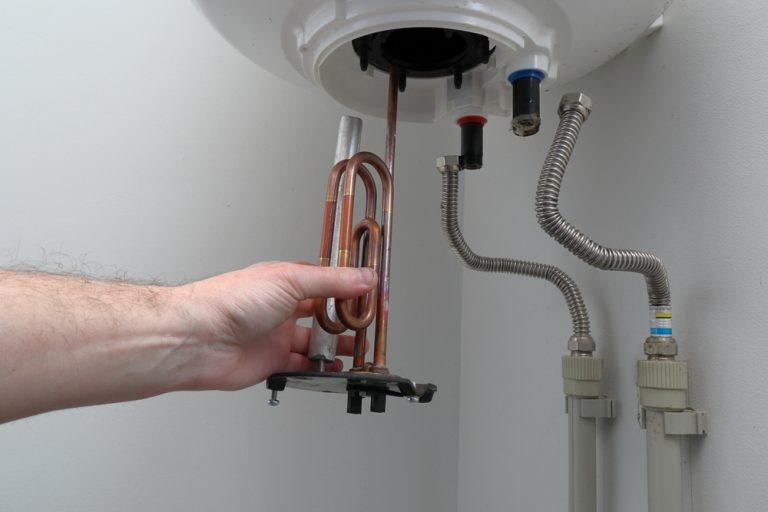
- Inconsistent Water Temperature: If your hot water fluctuates between scalding and lukewarm without you touching the faucet, it’s often a sign of a failing heating element or mineral buildup inside the tank.
-
- Rising Energy Bills: Have your utility costs been creeping up without a clear reason? An inefficient, aging water heater has to work much harder to heat the same amount of water, leading to a noticeable spike in your bills.
-
- Rusty or Discolored Water: If you see rusty-colored water coming from your hot taps, it could mean the inside of your water heater’s tank is corroding. This is a serious issue that often precedes a leak.
-
- Strange Noises: Rumbling, popping, or banging sounds coming from your water heater are usually caused by sediment buildup that has hardened at the bottom of the tank. This forces the unit to work harder and can lead to overheating and damage.
-
- Visible Leaks or Moisture: Any sign of water pooling around the base of your water heater indicates a problem. While it could be a simple valve issue, it often points to a fracture in the internal tank—a problem that requires immediate replacement.
Your Guide to Choosing the Right Water Heater
Once you’ve decided to upgrade, the next step is choosing the right model for your home. The two main types are traditional storage tanks and modern tankless units.
Storage Tank Water Heaters
This is the most common type of water heater. It features an insulated tank that holds and heats a specific amount of water (typically 40-50 gallons for a family home).
-
- Pros: Lower initial purchase price and simpler installation.
-
- Cons: Less energy-efficient due to standby heat loss (the unit constantly uses energy to keep the stored water hot). The hot water supply is limited to the tank’s capacity.
-
- Best for: Homeowners on a tighter budget or those directly replacing an existing tank model with similar plumbing.
When choosing a tank model, look for the Uniform Energy Factor (UEF) rating. The higher the UEF, the more efficient the unit is.
Tankless Water Heaters (On-Demand)
Tankless water heaters heat water directly as you need it, without using a storage tank. When you turn on a hot water tap, cold water travels through a pipe into the unit, where a gas burner or electric element heats it instantly.
-
- Pros: Highly energy-efficient (no standby heat loss), an endless supply of hot water, and a much longer lifespan (often 20 years or more). They are also compact and save space.
-
- Cons: Higher upfront cost and may require upgrades to your home’s electrical or gas lines to support them.
-
- Best for: Families who frequently run out of hot water, energy-conscious homeowners, and those looking for a long-term investment.
Final Considerations for Your Upgrade
Before making a final decision, consider these last two factors:
-
- Capacity and Sizing: For a tank heater, consider your family’s peak hot water usage to choose the right gallon capacity. For a tankless unit, the key metrics are flow rate (gallons per minute) and temperature rise needed. A professional plumber can perform a simple calculation to help you size your new unit perfectly.
-
- Fuel Type: Water heaters can run on electricity, natural gas, or propane. Gas heaters typically have lower annual operating costs but a higher initial price. Your choice may be limited by the utility connections available in your home.
Make the Resolution That Keeps You Warm
Don’t wait for a cold shower or a flooded basement to force your hand. By resolving to upgrade your water heater this year, you’re investing in your home’s efficiency, your family’s comfort, and your own peace of mind. It’s a practical resolution that delivers tangible benefits every single day.
Ready to explore your options? Contact us today for a professional consultation. We can help you assess your current unit, recommend the best upgrade for your needs, and ensure a seamless installation.
FAQ: Resolve to Stay Warm: New Year Water Heater Upgrades
-
- How do I know if my water heater needs replacing?
Look for signs like inconsistent water temperature, rising energy bills, rusty water, strange noises, or visible leaks. Units over 10 years old are also likely due for an upgrade.
- How do I know if my water heater needs replacing?
-
- What are the benefits of upgrading to a tankless water heater?
Tankless water heaters are highly energy-efficient, provide an endless supply of hot water, save space, and have a longer lifespan (20+ years).
- What are the benefits of upgrading to a tankless water heater?
-
- Are storage tank water heaters still a good option?
Yes, they are more affordable upfront and easier to install, making them a good choice for homeowners on a budget or those replacing an existing tank model.
- Are storage tank water heaters still a good option?
-
- What factors should I consider when choosing a new water heater?
Consider the unit’s capacity, energy efficiency (UEF rating for tanks), fuel type (electric, gas, or propane), and whether your home can support a tankless system if upgrading.
- What factors should I consider when choosing a new water heater?
-
- Why is the start of the year a good time to upgrade?
Upgrading now prevents mid-winter emergencies, improves daily comfort, and starts the year with energy savings and increased home value.
- Why is the start of the year a good time to upgrade?