
Key Takeaways
- Hard water is common in Mid-Missouri due to the region’s soil and rock composition
- Mineral buildup affects fixtures, pipes, appliances, and personal comfort
- Early detection can prevent costly plumbing repairs and appliance replacements
- A water softener is one of the most effective long-term solutions
Many Mid-Missouri homeowners live with hard water for years without connecting it to the frustrating problems showing up around their homes—spotted dishes, weak water pressure, stiff laundry, or appliances that seem to wear out too soon.
Hard water contains elevated levels of minerals like calcium and magnesium. These minerals accumulate slowly and quietly, affecting plumbing fixtures, appliances, and even your skin and hair. The damage isn’t always dramatic—but over time, it adds up. Knowing what to look for is the first step toward protecting your home.
What Is Hard Water?
Hard water is water that contains a high concentration of dissolved minerals, primarily calcium and magnesium. As groundwater moves through soil and rock formations, it picks up these minerals naturally. Missouri’s geology makes this especially common across the state, including the Mid-Missouri region.
The minerals in hard water don’t disappear when they enter your home. They accumulate on surfaces, inside pipes, and within appliances—reducing efficiency and causing wear over time.
Sign #1: White Spots and Mineral Buildup on Fixtures
What to Look For
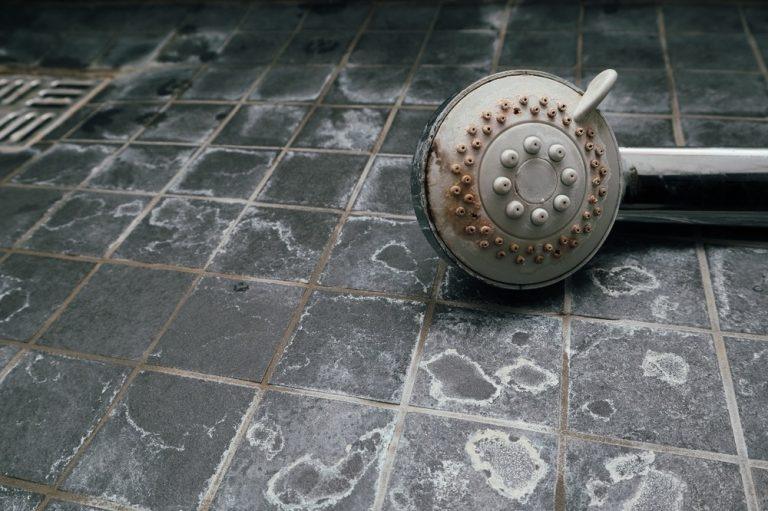
White, chalky residue on faucets is one of the most visible signs of hard water. You may also notice spots on sinks, shower doors, and dishes—and stubborn buildup forming around showerheads.
Why It Happens
When water evaporates, the minerals it carried are left behind. Repeated over days and weeks, those deposits harden and become increasingly difficult to remove.
Sign #2: Reduced Water Pressure
Mineral Buildup Inside Pipes
Scale deposits don’t just form on visible surfaces. Inside your pipes, mineral buildup gradually narrows the openings water flows through—restricting flow throughout your home.
Warning Signs
Weak shower pressure, faucets that take longer to fill a sink or tub, and reduced flow from multiple fixtures at once are all indicators worth taking seriously.
Sign #3: Appliances Don’t Perform as Efficiently
Water Heaters
Mineral deposits settle at the bottom of water heater tanks over time. The result: reduced heating efficiency and higher energy bills.
Dishwashers and Washing Machines
Hard water residue leaves film on dishes and affects cleaning performance. It also accelerates wear on internal components.
Potential Long-Term Costs
More frequent repairs, shorter appliance lifespans, and increased utility bills are all real financial consequences of untreated hard water.
Sign #4: Dry Skin, Hair, and Soap Scum
Hard Water’s Effect on Personal Care
Soap doesn’t rinse away as easily in hard water. After showering, skin may feel dry or irritated—and hair can appear dull or difficult to manage.
Excess Soap Scum
Bathtubs and shower walls require more frequent scrubbing, with residue building up faster than it should.
Sign #5: Laundry Feels Stiff or Looks Dull
Hard Water and Fabrics
Minerals can become trapped in clothing fibers during the wash cycle. Towels come out rough. Colors fade faster than expected.
Increased Detergent Use
Homeowners often compensate by using more detergent—an added household expense that doesn’t address the root cause.
Sign #6: Frequent Plumbing Repairs
Hard Water’s Impact on Plumbing Components
Mineral buildup affects faucets, showerheads, water heaters, valves, and pipes. No part of your plumbing system is immune.
Small Problems Add Up
What starts as a minor maintenance issue can become a pattern of recurring repairs and, eventually, premature equipment failure.
What Can Homeowners Do About Hard Water?
Water Testing
A water hardness test identifies the mineral concentration in your water and confirms whether hard water is the source of your household issues.
Installing a Water Softener
Water softeners work by replacing calcium and magnesium ions with sodium ions, significantly reducing mineral content. The benefits extend to plumbing, appliances, and overall water quality.
Ongoing Maintenance
Regular plumbing inspections and monitoring water flow and pressure help catch hard water damage before it becomes a costly problem.
Don’t Ignore the Signs of Hard Water
Hard water can quietly affect nearly every part of a home’s plumbing system. The effects become more noticeable—and more expensive—the longer they go unaddressed. Recognizing the warning signs early gives homeowners the best chance to protect their plumbing investment and improve daily water quality.
If you suspect hard water is causing problems in your home, Reliable Plumbing can evaluate your water quality, inspect your plumbing system, and recommend the right solutions to protect your home and appliances. Contact us today to get started.

Frequently Asked Questions
Q: How do I know if I have hard water in Mid-Missouri?
A: Common signs include white mineral deposits on fixtures, reduced water pressure, soap scum buildup, and stiff laundry. A professional water test is the most accurate way to confirm hardness levels.
Q: Can hard water damage my plumbing permanently?
A: Over time, yes. Mineral scale buildup inside pipes can cause significant flow restriction and corrosion, potentially leading to premature pipe or fixture failure if left untreated.
Q: Is a water softener worth the investment for Mid-Missouri homes?
A: For homes with moderate to high water hardness, a water softener typically pays for itself by extending appliance lifespans, reducing energy costs, and cutting back on plumbing repairs.